A Designer's Honest Review of the Nicu Nurse SVG Cut File
When a client approached me for a custom embroidered tote bag gift for their sister, a dedicated NICU nurse, I knew the design would need to convey respect, warmth, and professional pride. I immediately searched for a file that felt authentic, not cartoonish. The Nicu Nurse SVG Cut File was my first choice, and after testing it across several projects, I have some practical thoughts for fellow makers.
First Impressions: A Design That Honors the Profession
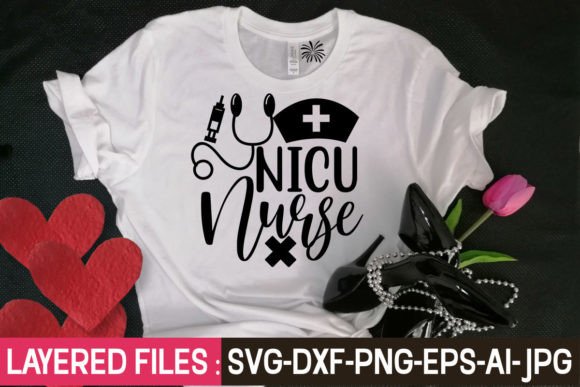
The initial mood this design creates is one of quiet strength and recognition. The layout is clean and centered, with a typography that feels stable and professional. As an embroidery designer, I look for a design’s visual personality—does it feel like a sticker slapped on fabric, or does it belong there? This one belongs. It doesn’t scream with unnecessary decorative flourishes; its power is in its clarity. This makes it a natural fit for embroidery projects meant as sincere gifts or small shop merchandise for healthcare workers.
Where This Design Shines in Real Embroidery
In practical use, the Nicu Nurse SVG Cut File has performed beautifully on several surfaces. I’ve stitched it onto a heavyweight cotton tote bag, a soft fleece sweatshirt, and even a delicate baby blanket meant as a gift from a nurse to a family. The vector quality, hinted by the included EPS file, means scaling up or down for different hoop sizes is straightforward. For a boutique product like an embroidered patch or a custom apparel item like a nurse’s own cap, the design maintains its integrity.
The layered SVG file is a significant advantage for machine embroidery design. It allows for easy color separation if you want to experiment with thread colors—perhaps using a soft blue for the text against a white satin stitch outline on a dark fabric. This flexibility boosts its value for craft business owners who need to create variations for different personalized gift requests or Etsy listings.
Practical Considerations for Stitching Success
While the design is robust, its application requires some thoughtful planning. The clean lettering means small details need attention.
- Small hoop sizes: If you’re embroidering on a tea towel or a kitchen apron pocket, reduce the size carefully. Test on scrap fabric first to ensure the letters remain distinct and don’t blur into a dense block.
- Fabric texture: On a nappy fleece or a textured canvas tote, a good stabilizer is non-negotiable to keep the edges sharp.
- Dark fabric: The design’s simplicity works well here, but thread color contrast is key. A white or light grey fill stitch will pop, but consider a backing layer to prevent shadowing.
- Curved surfaces: Embroidering this onto a cap requires checking the design’s orientation in your software to ensure it sits correctly on the curved panel.
These aren’t flaws of the file itself, but rather the standard professional checks any embroidery file demands before hitting “start” on the machine.
A Note on Commercial Use and Customer Trust
For creative entrepreneurs selling finished products, this design affects customer trust and brand consistency. Its professional tone aligns with a handmade presentation that feels considered, not rushed. A well-stitched version on a premium sweatshirt or a keepsake pillow cover elevates the product’s value. It speaks to recognition, making it highly giftable for holidays, weddings, or nurse appreciation weeks. However, a crucial step is always to confirm the licensing terms for the digital embroidery file before selling any finished product or using it in commercial embroidery projects. The product description mentions the file formats but not specific license details—check those first.
Embroidery Designer Notes for Your Project
Before you load this into your machine for a client’s baby item or your next craft fair product, run through this quick list. It’s the same process I use.
- Always test the design on scrap fabric identical to your final project fabric.
- Review the stitch density in your software preview; adjust if areas look too dense for thin fabrics like t-shirts.
- Check thread color contrast by creating simple black and white mockups. How does it look reversed?
- Inspect the small details in the lettering at your chosen size. Are any corners too tight for a clean stitch?
- Use the provided PNG file for printable mockups in your shop listings to gauge buyer engagement.
Thinking through these points ensures the Nicu Nurse SVG Cut File transitions from a great digital asset to an even better physical embroidery project. It’s a design that, when stitched with care, truly honors its subject—and that’s the mark of a file worth using.