A Designer’s Review: ‘Jurny That Nurse Life’ Embroidery Project
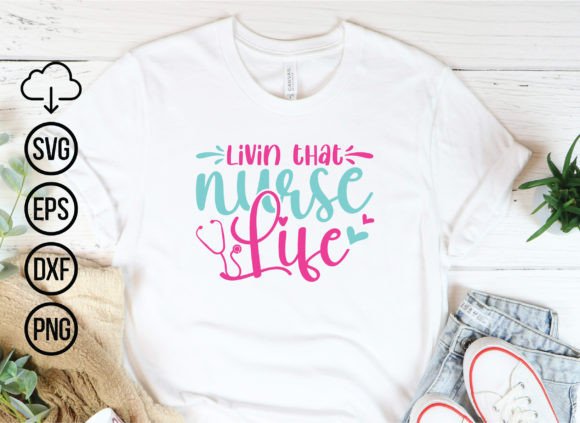
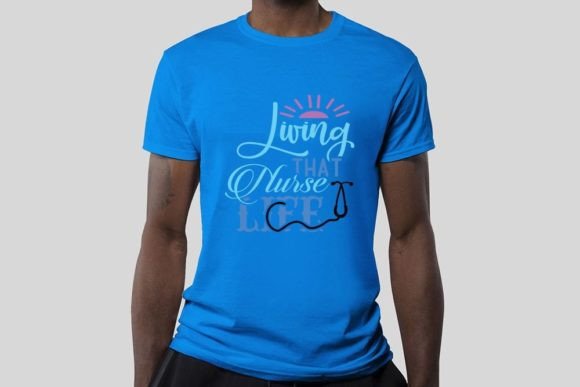
As an embroidery designer, I look at files not just as graphics, but as the starting point for a finished product. When I opened the ‘Jurny That Nurse Life’ Nurse SVG Design, my first thought was about mood. This isn’t a stern or purely clinical motif. It has a relaxed, personal, and slightly whimsical character. The layout suggests a gentle flow, and the theme celebrates the nursing journey in a way that feels heartfelt. It immediately struck me as a design meant for a personal gift or a boutique product that connects on an emotional level.
Where This Design Finds Its Perfect Home
In my hands, this design feels destined for soft, comforting items. Imagine embroidering it onto a cozy sweatshirt for a nurse after a long shift, or stitching it onto a canvas tote bag they’ll carry to work. It would be lovely on a pillow cover for a nursing student’s dorm room or delicately worked onto a kitchen towel as a supportive gift from a colleague. The personality is warm, making it ideal for baby items like a blanket for a neonatal nurse, or a custom patch on a cap for a nursing unit team.
For a small business owner or Etsy seller, this design translates into products with strong giftability. A hand-embroidered tea towel, a personalized apron, or even nursery decor for a nurse’s child carries a story. It’s a design that buyers would engage with because it recognizes a profession, not just labels it. In a craft fair setting, a tote bag with this embroidery would stand out for its sincere message, not just a generic graphic.
Navigating Real-World Stitching Challenges
Moving from the screen to the hoop requires some practical thinking. The ZIP file contains multiple formats – EPS, SVG, PNG, and DXF – which is excellent for flexibility across software and machines. However, the real test is on fabric.
Because of its likely detailed lettering and thematic shapes, I would be cautious on very small hoop sizes. Trying to cram this onto a tiny area on a baby garment might lose clarity. Textured fabrics like some blankets or thick sweatshirts require attention to stitch density to ensure the design doesn’t get lost. On thin or stretchy fabrics, a good stabilizer is non-negotiable to prevent distortion, especially if the design has areas of satin stitch or dense fill stitch.
Dark fabric backgrounds demand careful thread color choice for contrast. I always test on scrap fabric first—a light and a dark piece—to see how the elements read. For curved surfaces like caps, the design’s layout needs to be assessed; some elements might need slight repositioning to sit well on the curve. And for any product destined for frequent washing, like a sweatshirt or kitchen towel, checking that the stitch coverage is secure and the threads are high-quality becomes part of the product’s value and customer trust.
The Impact on Your Product and Your Customer
Using this design well elevates your handmade presentation. When stitched cleanly, it communicates professionalism and care. It turns a simple t-shirt or tote into a recognition piece. For a creative entrepreneur, it can become part of a consistent brand if you focus on healthcare appreciation products. The visual appeal, when embroidered with thoughtful thread colors, is understated and meaningful, which often resonates more deeply than flashy graphics.
For commercial embroidery projects or selling the finished products, you must confirm the licensing terms provided with the files. The inclusion of multiple file types suggests it’s intended for versatility, but always verify the usage rights for both personal and commercial applications before selling your embroidered items or using it in digital product previews.
Practical Notes From the Worktable
Here’s my process when evaluating a design like this for real use:
- Test First, Stitch Later: Always run a test on scrap fabric of similar weight and texture to your final product.
- Contrast is Key: Review how the design reads on both light and dark backgrounds; sometimes a black and white mockup helps plan thread colors.
- Detail Inspection: Zoom in on the small details in your software. Check tiny corners and lettering to ensure they’ll translate clearly to stitches.
- Hoop and Stabilizer Harmony: Match your hoop size to the design’s detail level. Use the appropriate stabilizer for your fabric—it’s the foundation of a clean finish.
- Think Beyond the Mockup: How will this look on a curved cap? On the pocket of an apron? Visualize it on the actual product.
- Commercial Confidence: Before listing an embroidered tote bag on your Etsy shop or preparing boutique merchandise, ensure your license for the embroidery file covers your intended use.
Final Judgment: A Design With Heart and Purpose
The ‘Jurny That Nurse Life’ Nurse SVG Design isn’t just a graphic; it’s an asset for creating products with a connection. Its strength lies in its authentic mood, making it a natural fit for personalized gifts and small shop merchandise that honor the nursing profession. As a designer, I see its value in the emotional response it can evoke from the end customer—the nurse who receives the gift or the buyer seeking a meaningful item.
Its practical use requires the standard diligence of any good embroidery project: testing, stabilizing, and matching it to the right product. But when done well, it stitches into a finished product that feels thoughtful, professional, and engaging. For crafters, apparel decorators, and digital product sellers, it offers a versatile starting point for a range of projects, from a simple embroidered patch to a custom holiday gift, provided you always verify those crucial technical and licensing details before the needle starts moving.