A Designer’s Take on the One Love Nurse Embroidery Design
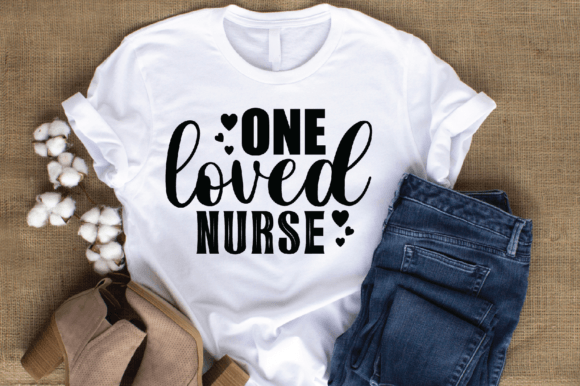
When a new embroidery file lands in my library, my first question is always a practical one: where would this actually live? Not just on a screen, but as stitches on fabric, as a product in someone’s hands, as a gift that carries meaning. The One Love Nurse-SVG Design presents itself immediately as a graphic with a clear heart and mission. It’s more than a pattern; it’s a statement. The mood it creates is one of appreciation and warmth, a gentle nod to the nursing profession wrapped in a universal symbol of care. The layout feels balanced, and the personality is friendly without being overly cute—a crucial distinction when creating items for a professional audience or for those giving a gift to a healthcare worker.
The Natural Habitat for This Design
Imagine preparing a custom embroidered tote bag for a nurse graduating from her program. This design jumps out as a perfect candidate. It’s not overly clinical; it’s human. The “One Love” theme transcends a simple job title, speaking to the compassion behind the role. This makes it exceptionally versatile. I’d instinctively lean towards medium-weight, stable fabrics for its first real-world test. A canvas tote, a cotton apron, a denim shirt, or a high-quality sweatshirt would be ideal canvases. The design has a clarity that suggests it would stitch out with good definition on these surfaces, becoming a cherished everyday item rather than a delicate decoration.
For small business owners and Etsy sellers, this opens up a clear product line. Think beyond the obvious t-shirt. Embroidered pillow covers for a nurse’s break room, sturdy kitchen towels for a heartfelt home gift, or even a neat patch that can be applied to a uniform bag. The design’s visual appeal lies in its simplicity and resonance. In a boutique or at a craft fair, an item featuring this embroidery communicates value instantly—it feels thoughtful and specific, which builds customer trust and engagement. It tells a story, which is the cornerstone of successful handmade presentation.
Where Caution is Needed: The Practical Stitching Considerations
While the heart of the design is strong, any embroidery artist must think through the execution. This is a Graphics category file, and as described, it includes printable transparent PNGs. For machine embroidery, this means the design needs to be converted and tested thoroughly. My immediate notes would center on scale and fabric choice.
Small hoop sizes might compromise the readability of the finer elements, especially if there’s any detailed lettering or intricate corners within the artwork. I would avoid stitching this onto very thin or stretchy fabrics without rigorous stabilizer testing—the integrity of the design’s shape could be lost. Dark fabric backgrounds require careful thread color planning for contrast; this isn’t a design that would fare well with poor color choices. And for items destined for frequent washing, like baby clothes or kitchen linens, stitch density becomes key. A too-dense satin or fill stitch area on a baby blanket could become stiff and uncomfortable.
Curved surfaces, like caps, present another interesting challenge. The central, likely symmetrical motif of the One Love Nurse-SVG Design could work well on the front of a cap, but the layout must be assessed for distortion on that curved plane. Always, always test on scrap fabric of the same type and weight first.
Turning a Digital File into a Professional Product
The leap from a digital product preview to a finished embroidered piece is where design judgment matters most. For creative entrepreneurs and apparel decorators using this file, the process is straightforward but requires attention. First, check the licensing. Can it be used for commercial embroidery projects? This is vital for small shop merchandise and digital product sellers offering finished goods. Once confirmed, my workflow would involve stitching a sample on both light and dark background fabrics to evaluate thread palettes. Sometimes a design that looks perfect on a white mockup needs slight adjustments for black cotton.
Inspecting the small details in the actual stitch-out is crucial. How does the “love” element integrate with the “nurse” theme? Are the lines clean enough for a smooth running stitch or does it require satin stitches that might need tighter control? This assessment directly impacts the professionalism and brand consistency of your final product. A messy stitch-out on a gift can undermine the heartfelt intention.
Embroidery Designer Notes for Real Projects
Here are my practical, real-use notes for anyone considering this design for their next project:
- Test the design at your intended final size on scrap fabric first. This reveals any potential issues with stitch density or detail loss.
- Plan your thread color contrast deliberately. This design’s message depends on clarity.
- Review the design in black and white mockups to understand its form independently of color.
- Confirm the hoop size needed for your chosen item—a tote bag might allow a larger hoop, a baby bib a much smaller one.
- Use proper stabilizer for the fabric. This is non-negotiable for maintaining visual appeal.
- Consider the product’s end-use. A holiday gift for a nurse might be a festive apron, while a personalized product for a nursing student could be a sturdy backpack patch.
- Finally, step back and look at the stitched sample as a customer would. Does it feel high-quality? Does it convey the intended respect and appreciation? If yes, you’ve successfully transformed a T-Shirt Design graphic into a meaningful embroidered reality.
The One Love Nurse-SVG Design, from a designer’s point of view, is a asset with strong emotional resonance and practical application. It fits naturally into the world of custom apparel, personalized gifts, and small business merchandise aimed at celebrating the healthcare community. Its success in any embroidery project will hinge not on the file itself, but on the careful, considered craftsmanship applied to it. That’s where the true love for the craft—and for the subject—shines through.