A Sweet Nurse Embroidery Design: Practical Review for Crafters
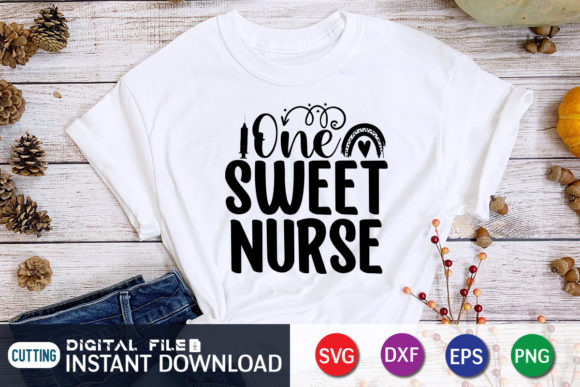
Let’s talk about the One Sweet Nurse SVG Cut File from a practical embroidery perspective. I’m reviewing this not just as a digital graphic, but as a potential design for real stitching—for a client’s gift, a shop’s sweatshirt, or a personalized baby blanket. The first thing you notice is the theme: it’s clearly celebratory and affectionate, meant to honor someone in nursing. The design’s personality feels warm and approachable, not overly clinical or stiff. That’s a good starting mood for any embroidery project meant as a gift or wearable appreciation.
Where This Design Finds Its Perfect Embroidery Home
In my mind, I immediately picture this on a soft, heather-gray crewneck sweatshirt for a nurse graduating from school. The sentiment is personal, so it belongs on items that carry emotional weight. A custom embroidered tote bag for a nurse’s work gear, with this design stitched neatly on the side pocket, would feel both professional and sweet. For a boutique focusing on personalized gifts, this could be beautifully stitched on a linen pillow cover or a tea towel in a nurse’s kitchen. Baby items are another natural fit—consider a simple outline stitch on the corner of a baby blanket for a new mom who’s also a nurse. The design’s inherent warmth makes it highly giftable, increasing the perceived value of any handmade product you create with it.
For commercial embroidery, such as small batch merchandise for an Etsy shop or craft fair, this design lends itself well to consistent branding if you’re in the medical appreciation niche. Stitched on aprons, caps, or simple patches, it creates a recognizable, cohesive look for your product line. The key is to pair it with the right product. It wouldn’t feel right on something overly generic; it needs a context that matches its appreciative tone.
Navigating the Stitching: Real-Life Embroidery Considerations
When you move from the digital file to the actual embroidery machine, practical questions arise. The included SVG, DXF, and EPS files are great starting points for digitizing into an embroidery file. But the real test is how the design performs when stitched out. Given its likely composition—words and a central theme—pay close attention to the stitch density in any filled areas. Too dense on a lightweight t-shirt could cause puckering. On textured fabrics like a fleece blanket or a terrycloth towel, you’ll need a good stabilizer to keep those details crisp.
Dark fabric backgrounds are a classic choice for this kind of design, but you must plan your thread color contrast carefully. A mockup in black and white can help visualize the contrast before you commit. On curved surfaces like a baseball cap, the smaller elements and lettering need careful placement—test on scrap fabric first to ensure readability. Also, consider the scale. This isn’t a design meant for tiny hoop sizes; it needs enough space for the words and any decorative accents to be clearly seen without feeling cramped. For a small embroidered patch, you might need to simplify or focus on the core element.
Where to Exercise Caution With This Sweet Nurse Design
Some embroidery situations require extra thought. Thin or stretchy fabrics, like certain baby knits, can be tricky if the design has dense satin stitch borders. You might opt for a simpler running stitch outline instead. Products that undergo frequent washing, like kitchen towels or everyday aprons, need a robust stitch execution to maintain integrity over time—check those small details and corners in your test run. Also, if you’re considering this for layered garments with seams or pockets, ensure your hoop placement avoids awkward overlaps that could distort the design.
The visual appeal and stitching clarity directly impact customer trust and your professionalism as a maker. A clean, well-executed embroidery of this design on a product tells a buyer you care about quality. It elevates a simple graphic into a thoughtful handmade presentation. For digital product sellers offering printable mockups or design assets, a clear, high-quality preview of how this would look embroidered helps engage potential buyers.
Essential Designer Notes Before You Stitch
Before loading this One Sweet Nurse SVG Cut File into your digitizing software and hitting start on your machine, do your homework. Always, always stitch a test on scrap fabric of the same type you’ll use for the final product. This reveals everything: thread tension issues, color interaction, and whether tiny lettering gets lost. Review the stitch density in your digitized version—adjust it to suit your fabric weight. Confirm your hoop size is adequate. Inspect the small details in your test; are they clear or do they blur into each other?
Compare how it looks on both light and dark fabric backgrounds; you might need two slightly different color palettes. Use the proper stabilizer for your chosen project; this is non-negotiable for professional results. Crucially, check the licensing provided with the file. The description states it’s a digital download, but you must confirm whether your intended use—personal gifts, commercial products, or even selling the digitized embroidery file itself—is permitted. Never assume.
This design, when embroidered well, can be a standout element on custom apparel, a heartfelt holiday gift, or a steady seller in a craft business. Its strength is in its clear, affectionate theme, which resonates with a specific audience. Approach it with a practical eye: test thoroughly, choose your product canvas wisely, and stitch with confidence. That’s how a digital file becomes a beautiful, durable finished product that truly honors the sweet nurse it represents.