Life Begins: A Nurse Design for Real-World Stitching
A First Impression for Embroidery
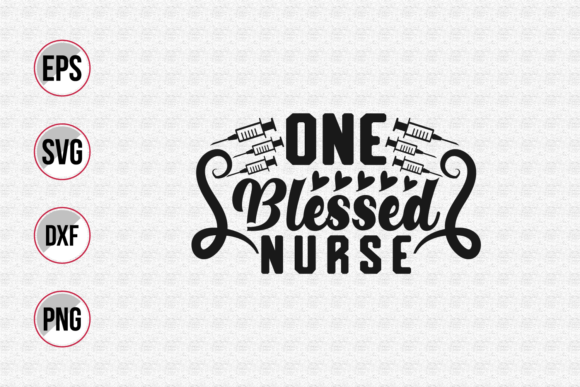
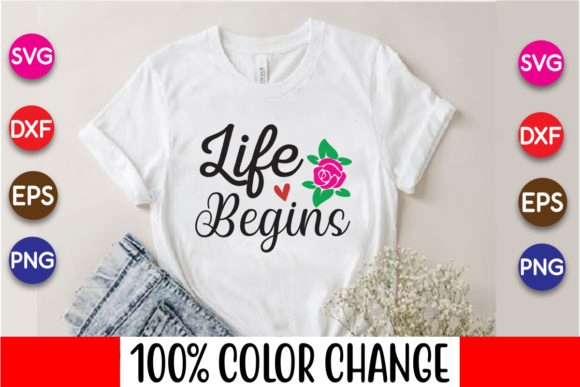
When an embroidery design arrives in your inbox, you see it not just as a graphic, but as a future product. You judge it by the potential stitches. So, with the Life Begins, Nurse SVG Design, my immediate thought was about warmth and recognition. The core theme is clear and celebratory. It doesn’t scream; it quietly honors a profession. This isn’t a generic graphic; it’s a niche tribute. For us makers, that’s a good starting point—it has a specific audience.
The layout and presumed detail level suggest a design that would translate well into satin stitches for the lettering and clean fill stitches for any emblematic elements. It feels like a design built for clarity, not overwhelming complexity. That visual personality—professional yet personal—tells me this belongs on items meant to be worn, displayed, or given with genuine sentiment. My mind goes straight to a custom embroidered sweatshirt for a graduating nurse, or a subtle patch on a tote bag for a healthcare worker.
Where This Design Finds Its Home
In practical terms, where does this design perform best? I’ve mentally run it through a dozen real-life embroidery projects.
For custom apparel, like t-shirts or sweatshirts, it would be a strong, meaningful centerpiece. On a baby item, say a blanket for a nurse’s new child, it becomes a deeply personal heirloom. As an embroidered patch, it could adorn a work bag or apron with pride. For holiday gifts or personalized products within a nurse’s circle, it’s a thoughtful winner.
Thinking about my own craft business, this is the kind of design asset that would resonate in Etsy listings or at a craft fair. It speaks directly to a community. Stitched onto a pillow cover or a kitchen towel as a gift, it carries a weight of appreciation that generic designs lack. It boosts the perceived value because it’s specific. For small shop merchandise, it helps build a niche brand—you’re not just selling embroidery; you’re selling recognition.
Navigating the Practical Stitching Considerations
Every embroidery file has its sweet spot and its caution areas. With a design like this, likely containing text and symbolic elements, you need to think about scale. My biggest practical note: test it on scrap fabric first. Always.
If the lettering is finely detailed, you’ll need to be careful on very small hoop sizes. Tiny, intricate serifs can become muddled if the stitch density is too high or the scale is too reduced. On textured fabrics like some sweaters, or on stretchy fabric, a robust stabilizer is non-negotiable to keep the message crisp.
Dark fabric requires thoughtful thread color contrast. A white or light-colored satin stitch for the “Life Begins” text would pop beautifully, but you must check the design in a black-and-white mockup to ensure the positive and negative spaces are clear. On curved surfaces like caps, the layout’s width needs to fit the contour without distortion—a pre-hooping check is vital.
Products that need frequent washing, like apparel or tea towels, demand a well-digitized design with secure stitches. Areas of dense fill should be balanced to prevent puckering over time. This is where the promised “high-quality” aspect of the digital file truly matters in the finished product.
The Impact Beyond the Stitches
Using a design like this isn’t just about mechanics. It affects the entire presentation. On a handmade product, clear, clean embroidery from a thoughtful design builds immediate customer trust. It shows professionalism and care. For a personalized gift, it elevates the emotional impact—the recipient sees a crafted item that acknowledges their specific identity or achievement.
For an Etsy seller or creative entrepreneur, it adds to brand consistency if you cater to the healthcare or appreciation niche. It makes your shop feel curated, not random. The giftability is high. And in terms of buyer engagement, a design that tells a story, like this one, often prompts customers to share stories of their own—the nurse they’re honoring, the reason for the gift. That connection is invaluable.
A Designer’s Checklist Before Hooping
Before I commit this design to a client’s sweatshirt or a batch of boutique tote bags, my process involves a few key steps. Since specifics like exact stitch count or licensing aren’t detailed here, my advice is to ascertain them from the source.
- First, I would check the licensing explicitly. Can I use it for commercial embroidery projects? Can I sell the finished embroidered items? This is crucial for any business use.
- I’d examine the file layers in my software to understand the stitch density and identify any potential tricky spots, like very small corners.
- I’d stitch a sample on both a light and a dark piece of scrap fabric, using my standard stabilizer for the intended final material (e.g., cotton for a towel, fleece for a sweatshirt).
- I’d note how the design looks at different scales—does it hold its clarity if scaled down for a baby bib, or up for a blanket?
- I’d consider the thread palette. Does it lend itself to classic professional colors (navy, white, burgundy) or allow for more playful personalization?
- Finally, I’d think about the end product’s lifespan. If it’s for a nursery decor item that might be kept for years, I’d ensure my thread choices are quality and my stitching is durable.
The Life Begins, Nurse SVG Design, from a practical reviewer’s standpoint, is a design with clear purpose. It falls into the category of Graphics and Print Templates that are most valuable when they are transitioned thoughtfully into the physical world. Its value isn’t just in the download; it’s in the steamed-out, neatly stitched, heartfelt product you create with it. For the maker targeting a meaningful niche, it’s a solid design asset worth testing and applying with the care that its subject deserves.