Proud to Be a Nurse: An Embroidered Design Review
As a designer who translates digital files into thread and fabric, my first question is always: will this design stitch out with the clarity and emotional impact the concept deserves? When I look at the Proud to Be a Nurse SVG Cut File, I see a design whose success hinges entirely on execution. It's not just a graphic; it's a statement piece meant to honor a profession, and that carries weight for both the maker and the recipient.
The Mood and Personality of a "Proud" Design
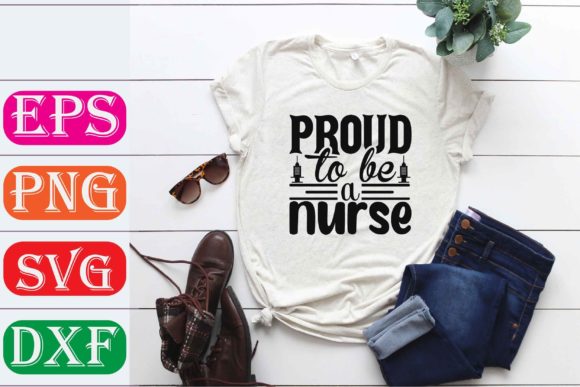
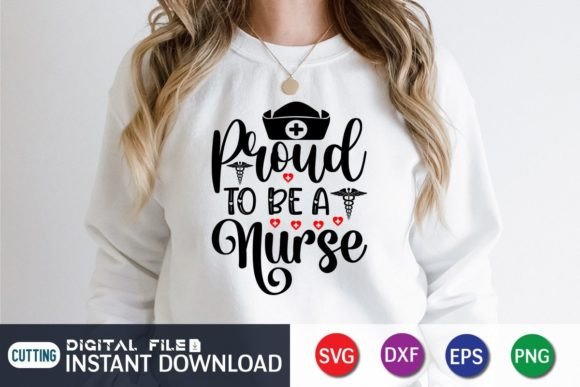
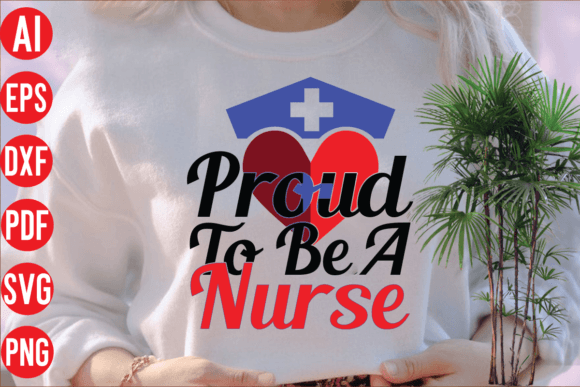
The title itself sets the tone. This is a design meant for celebration and recognition. Visually, I anticipate clean, bold lettering likely paired with classic nursing symbols—a cap, a heart, perhaps a stethoscope. The layout needs to be confident and balanced. From an embroidery perspective, this creates a specific mood: it’s professional yet personal, reverent but not overly sentimental. It feels destined for a gift or a custom piece for someone who wears their vocation with pride.
That mood tells me instantly what kind of embroidery project it belongs to. This isn't a subtle, all-over print for a t-shirt. It’s a focal point. It’s perfect for a tote bag a nurse carries to work, a cozy sweatshirt for a long shift, or a dignified patch on a jacket. I can immediately picture it on a crisp, embroidered pillow cover for a nurse’s home, or as a heartfelt, personalized gift on a tea towel or apron. For a small business owner creating boutique merchandise or custom apparel for healthcare workers, this design offers a ready-made, resonant theme.
Real-Life Embroidery: Where It Shines and Where to Be Careful
Let’s walk through a real scenario. Say I’m preparing a custom embroidered tote bag for a nurse retiring after thirty years. I want the design to be legible, durable, and beautiful. Using this file, my first practical consideration is scale. The sentiment “Proud to Be a Nurse” needs to be readable from a respectful distance, which means avoiding tiny hoop sizes. A medium to large hoop will let the lettering and any accompanying icons stitch out with clean satin stitch edges, without cramping details.
On a textured fabric like a canvas tote or a fleece sweatshirt, the design's stitch density becomes critical. If the file has large filled areas, they must be optimized to avoid a stiff, puckered result on softer materials. For baby clothes or thin fabric, I’d likely avoid a dense version altogether, opting perhaps for a simpler outline or applique design approach if the file supports it. Dark fabric presents another test: how will the fine details, like the curves of a nursing cap, hold up against a dark background? Contrasting thread colors and a good stabilizer are non-negotiable here.
The design’s true performance test comes on curved surfaces like caps or hats. Small, intricate lettering can distort on a curve, so I’d advise testing on scrap fabric first. This is where reviewing the provided file formats—SVG, PNG, EPS—for clean vector paths becomes essential for smooth digitizing into an embroidery file. The description mentions multiple formats at 300 dpi, which is a good starting point for quality, but as a practitioner, I always confirm the exact licensing and compatibility with my machine embroidery software before starting any commercial embroidery project.
Designer Notes for a Smooth Stitch-Out
Before I hoop my fabric for that retirement tote, my checklist is practical. First, I stitch a test on a scrap of the same material. I check the thread color contrast against the final fabric. I inspect any small details in the design, like tiny stars or fine lines, to ensure they won’t get lost in stitching. I’ll also run a simple black and white mockup to see how the design reads purely on shape, stripping away color assumptions.
For business owners, especially Etsy sellers creating handmade products, this test is also about customer trust. A poorly stitched, frayed design on a personalized gift undermines the entire “proud” message. A clean, professional embroidered result enhances the product’s value, the gift’s emotional impact, and your brand’s consistency. It tells the customer you respected the subject matter enough to execute it flawlessly.
The Impact on Your Project and Your Customer
When this design is embroidered well, its impact is straightforward and powerful. On a finished product, it creates immediate recognition. For the nurse receiving it, it’s a tangible affirmation. For you as a maker or seller, it becomes a product with clear purpose and audience—a boon for craft fair products or small shop merchandise aimed at healthcare communities.
It affects visual appeal through its stated theme: clarity and pride. That means your stitching must support that. Clean lettering without stray threads, smooth fills, and precise corners are all part of the presentation. This isn’t a casual, whimsical design; it carries a professional tone, so the craftsmanship should match.
For digital product sellers offering the file itself, providing clear printable mockups showing the design on various items—a sweatshirt, a tote, a patch—helps buyers visualize its end use. It bridges the gap between the digital asset and the real, threaded finished product.
A Final, Friendly Word of Advice
The Proud to Be a Nurse SVG Cut File is a design with a strong, clear heart. Its success in your embroidery project—whether for a client’s custom apparel, a batch of holiday gifts for a nursing unit, or your own boutique line—depends on treating it with that same clarity. Match its confident theme with confident technique. Choose projects where its size and detail can breathe, like bags, sweatshirts, or decorative pillows. Be mindful of its application on tricky fabrics and curves.
Always verify the specifics for your use case: the exact file formats for your equipment, the license for your commercial intentions, and the design’s detail level for your chosen hoop size. Then, stitch with the intention the title implies: to make something truly worthy of pride, both in the profession it honors and in your own craft.