Reviewing the Me Lucky Nurse Embroidery Design for Real Projects
When a new embroidery file lands on my desk, I’m not just looking at an image. I’m looking at a potential finished product—how it will feel stitched onto fabric, how it will wear over time, and how the person who receives it will react. That’s the lens I’m using to evaluate Me Lucky Nurse, a graphics file that’s clearly designed for a specific, heartfelt niche.
A Cheerful, Straightforward Design Built for Meaning
The first thing that strikes me about Me Lucky Nurse is its mood. It’s playful and proud without being overly complex. This isn’t a hyper-detailed portrait; it’s a celebratory graphic with a clear personality. The theme is unmistakable, making it an instant fit for gifts, recognition items, or personalized products for someone in the nursing profession. The layout feels balanced, and the detail level appears manageable for a standard embroidery machine, which is a crucial first checkpoint.
This design naturally belongs to projects where sentiment outweighs sheer ornamentation. I’m picturing it on a custom sweatshirt for a graduating nurse, a tote bag for a hardworking healthcare worker, or as a sweet, small motif on a baby item for a nurse-mom. Its visual personality is friendly and professional, which is a perfect combination for handmade gifts and small shop merchandise aiming to convey appreciation.
Where Me Lucky Nurse Performs Best in the Real World
In practical embroidery situations, this design’s strength lies in its versatility across medium-scale applications. On a cotton sweatshirt or a canvas tote bag, it would stitch out with clean, recognizable appeal. For baby clothes or nursery decor—given its category—it would work nicely as a focal point on a blanket or a subtle accent on a pillow cover.
Thinking like a crafter preparing for a craft fair or an Etsy seller building listings, Me Lucky Nurse is a ready-made design asset for holiday gifts, like Christmas presents for a nurse friend, or for year-round personalized products. It would also integrate well into boutique branding for a shop specializing in healthcare-themed gifts. The included PNG file is a bonus for creating printable mockups to showcase the product online before you even stitch it.
The Careful Considerations for Professional Results
No design is universally perfect, and a practical review means pointing out where extra attention is needed. With a graphic like this, the smaller decorative accents and any tiny lettering (if present) are the areas to watch. On textured fabrics like some fleeces, or on stretchy fabrics for t-shirts, achieving stitching clarity in those details will require the right stabilizer and possibly adjusting stitch density.
Embroidering on dark fabric backgrounds demands thoughtful thread color contrast planning—test it first. Applying it on curved surfaces like caps might require simplifying some elements if the design is too wide. For products that need frequent washing, such as kitchen towels or aprons, ensuring the stitch areas aren’t overly dense will help the design endure beautifully.
How This Design Elevates Your Project’s Value
From a business and customer perspective, using a well-executed embroidery file like this affects more than just aesthetics. When stitched cleanly, it enhances product value and customer trust—it looks professionally made, not haphazard. For a handmade presentation, it offers brand consistency if you’re creating a series of healthcare-themed items. Its inherent giftability and recognition factor directly boost buyer engagement; people know exactly what it represents and who it’s for.
This is a digital embroidery file that, assuming proper licensing for commercial use, can become a reliable asset for a craft business. It allows creative entrepreneurs to quickly offer a finished product that feels personal and specific, which is a powerful advantage in markets like Etsy or at small craft fairs.
Practical Notes from the Embroidery Desk
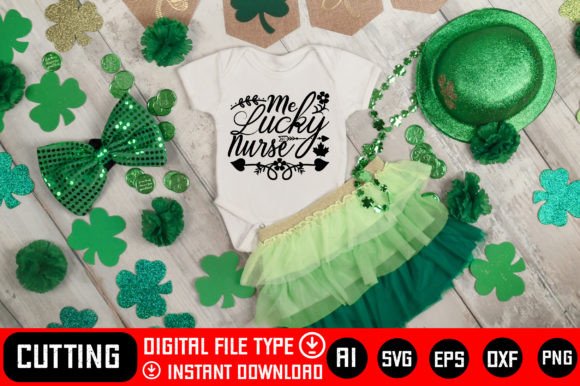
Before you load this file and start stitching for a client project or your small shop product, here’s my standard advice. Always test the design on scrap fabric first, using the same material you intend for the final project. This reveals everything: how small details like a shamrock or a hat brim translate into satin or fill stitches, whether the stitch density is appropriate for your fabric texture, and what the true hoop size requirement is.
Check thread color contrast by viewing the design in black and white mockups to judge value separation, and compare how it looks on both light and dark fabric backgrounds virtually. Inspect the provided files—the vector formats like SVG and EPS are crucial for scaling without loss, which is key for different product sizes. Confirm the licensing terms before selling any finished items or commercial embroidery projects. The product description lists the included files, but specifics about machine compatibility or exact stitch counts aren’t provided, so you’ll need to verify those in your software.
Use proper stabilizer for the chosen application. For a sturdy tote bag, one type; for a baby’s delicate cotton blanket, another. This step alone preserves the design’s clarity and prevents puckering. Finally, think about the end use. Is this for a one-off personalized gift, or for a line of embroidered patches you plan to sell? That decision guides how you optimize the embroidery process.
A Design Ready for Heartfelt Stitching
Me Lucky Nurse isn’t a flashy, intricate pattern. It’s a meaningful graphic that, when embroidered with care, becomes a tangible token of appreciation. Its real-life value shines in projects where the story behind the gift is as important as the gift itself. For embroidery designers and makers serving the niche of healthcare celebration, this file offers a straightforward path to a finished product that will resonate. Approach it with practical testing and a clear vision for its final home—on an apparel item, a bag, or a nursery gift—and it should stitch out as a confident, friendly emblem of a lucky nurse.