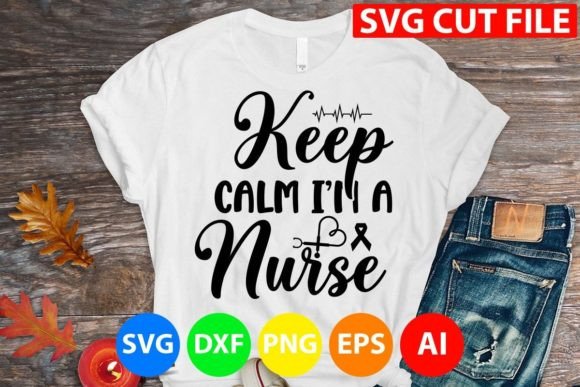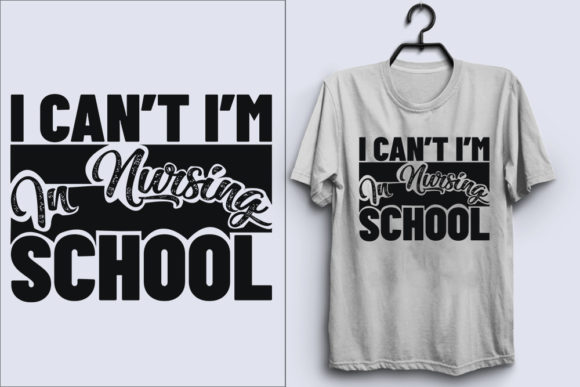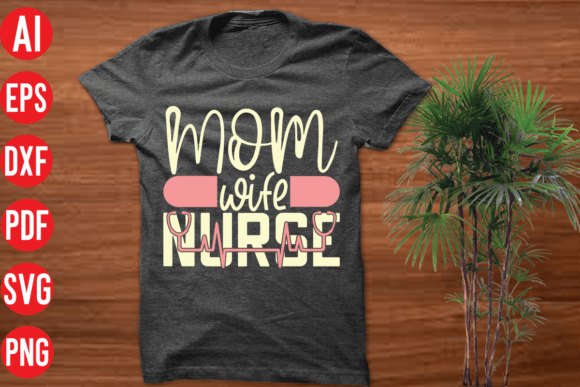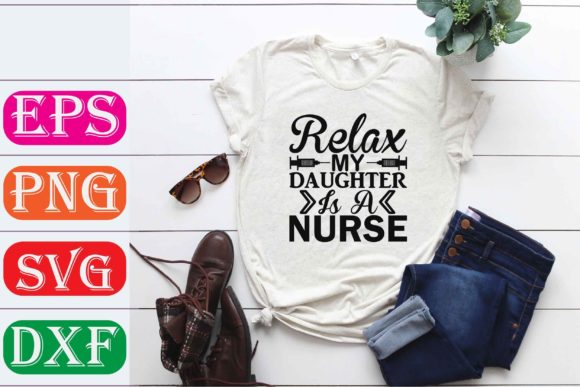
Evaluating NICU Nurse SVG for Real Embroidery Projects
When a design file arrives in your inbox, the real question isn't what formats it includes—it’s how it will translate from digital lines into physical stitches. This is the lens through which I’m looking at the NICU Nurse SVG, Nurse Cut File. The goal here is practical: to understand its potential as a core asset for embroidery work, whether for a client’s custom gift, a small shop’s bestselling product, or a heartfelt personal project.
First Impression: A Design That Speaks Quietly and Clearly
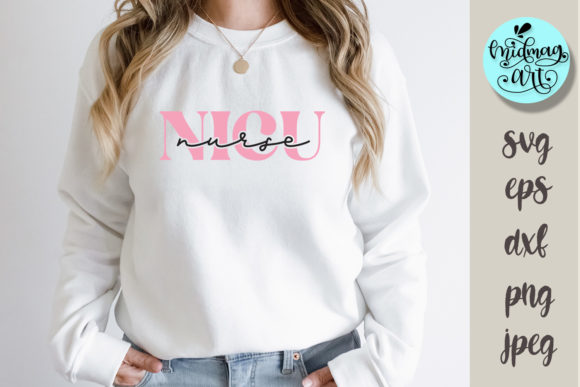
The visual personality of this design feels immediately respectful and focused. NICU nursing is a deeply meaningful theme, and a successful embroidery design for it must balance recognition with subtlety. The layout and likely detail level here suggest something suitable for a clean, legible stitch-out. It’s not overly whimsical or casual; it carries a professional yet caring mood. This tells me it belongs naturally on items where the message is central: custom apparel like sweatshirts or t-shirts for the nurse themselves, personalized gifts from grateful families, or even embroidered patches for a keepsake box.
My first thought for a real-life scenario was a custom embroidered tote bag. A NICU nurse might carry one for work, or a family might create one as a thank-you gift. The design’s clarity would be paramount here—stitched on a canvas tote, it needs to be readable and durable, not swallowed by the fabric’s texture.
Performance Across Real Embroidery Situations
Let’s walk through where this NICU Nurse SVG could shine and where careful planning is needed. For custom apparel like hoodies or polos, the design’s likely composition would offer good stitch coverage. On a dark fabric, a thoughtful thread color selection—perhaps crisp whites or soft pastels for contrast—would be essential to maintain its visual appeal.
The Sweet Spot: Gifts and Keepsakes
This design feels inherently giftable. Imagine it embroidered onto a pillow cover for a nursery nurse’s break room, or stitched neatly onto a kitchen towel for a home kitchen. For baby clothes or blankets meant as gifts for the nursing staff, the scale becomes critical. Smaller hoop sizes might challenge tiny lettering if present; testing on scrap fabric first is a non-negotiable step.
For craft businesses and Etsy sellers, this file is a straightforward design asset. It could anchor a product line of nurse appreciation items: embroidered caps, aprons, or simple framed hoop art. The professionalism of the stitch-out directly affects customer trust and the perceived value of the handmade product. A clean, unbroken satin stitch on key elements, or a tidy fill stitch on larger areas, would make the finished item feel premium.
Careful Application: Navigating Fabric and Form
Embroidery is a partnership between design and material. With a theme like this, you want the final product to look respectful and lasting. On textured fabrics like some tote bag canvases or sweater knits, stitch density needs to be sufficient so the design doesn’t look sparse. On thin or stretchy fabrics often used for t-shirts, a robust stabilizer choice is key to prevent puckering and maintain that stitching clarity.
Curved surfaces like caps present a fun challenge. The design’s layout must be adaptable to the curve without distorting its message. Detailed corners or any intricate decorative accents within the file need to be inspected in a test sew to ensure they don’t become muddy with thread buildup. And for products destined for frequent washing—like sweatshirts or baby items—a robust stitch structure and quality thread will ensure the appreciation lasts as long as the memory.
Where It Might Not Fit
It’s honest practice to note limitations. If the design contains extremely dense stitch areas, it might be heavy for delicate baby embroidery on lightweight cotton. Similarly, if there are very fine lines, they might not translate well to small-scale items like a tiny patch. Always test the design on scrap fabric of your intended final material. Check it in both black and white mockups digitally to preview contrast, and then stitch it on light and dark backgrounds physically. This step separates a good digital file from a great embroidery project.
The Impact on Your Work and Your Customer
Using a well-considered design file like this does more than decorate a product. It elevates it. For the maker, it supports brand consistency if you specialize in appreciation or medical-themed items. For the customer, a cleanly embroidered piece enhances recognition of the theme and the professionalism of your craft. This boosts buyer engagement—they see a thoughtful, well-executed product.
In a commercial embroidery context, such as producing batches of tote bags for a hospital gift shop, the reliability of the embroidery file is paramount. It must stitch out cleanly every time, without surprises. This reliability builds your reputation as a seller of small shop product or digital product previews.
Practical Notes for the Embroidery Designer
Before you commit this design to a final hoop, here’s my checklist from the bench.
- Always, always run a test sew on a scrap of your target fabric. Observe the stitch density, the behavior of small details, and the overall coverage.
- Analyze thread color contrast for your background fabric. A design celebrating care shouldn’t fade into the material.
- Confirm your hoop size can accommodate the design without forcing a resize that might compromise detail.
- Use the proper stabilizer for your fabric type. This is the foundation of a clean finish.
- Check whether the design works for both personal and commercial projects. The provided description notes an SVG file for various software, but the critical point for makers is the license. Always confirm the licensing terms before selling finished items or using it in commercial embroidery projects. Do not assume.
- For digital product sellers creating printable mockups or listings, a clean vector base like an SVG is excellent, but ensure your mockups reflect how it would look as stitches, not just flat graphics.
The NICU Nurse SVG, Nurse Cut File presents a clear, thematic foundation. Its value is realized not in the zip file, but in the thoughtful application of embroidery technique. By pairing it with the right fabric, thoughtful thread choices, and meticulous testing, you can create finished products that truly honor their subject—pieces that feel handmade, professional, and deeply appreciated. That’s the ultimate goal of any design file: to become a tangible, lasting expression of care, both in its theme and in its execution.