Evaluating the School Nurse SVG for Embroidery Projects
A Clean, Friendly First Impression
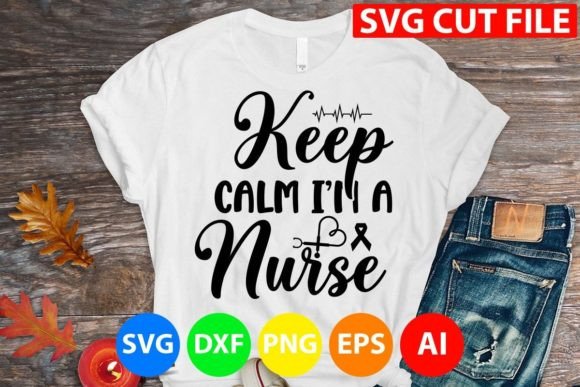
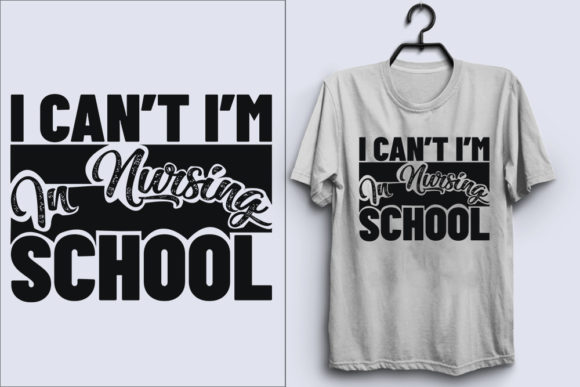
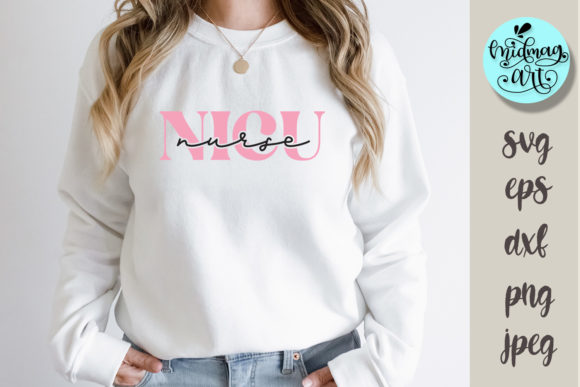
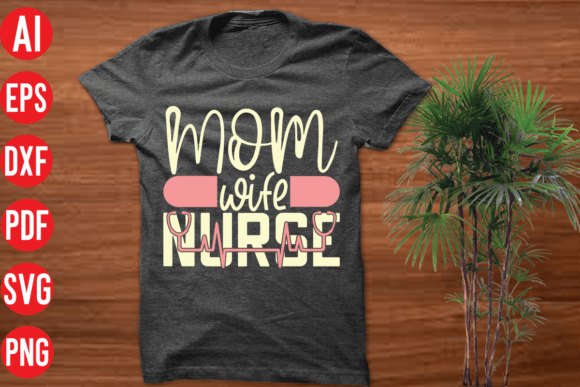
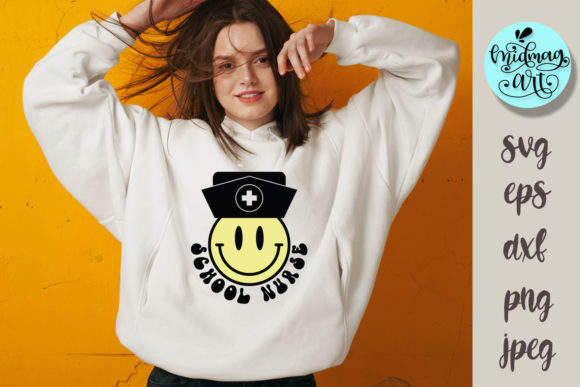
When I first opened the School Nurse SVG file, my immediate thought was how straightforward and positive it feels. The design has a classic, approachable personality—it’s not overly trendy or fussy. This is a graphic that conveys appreciation and recognition clearly. For embroidery, where every stitch translates a design’s mood, this simplicity is a strength. It creates a warm, professional vibe, perfectly suited for gifts and merchandise meant to honor school nurses.
The Natural Home for This Embroidered Design
I instinctively picture this design stitched onto a soft cotton twill tote bag or the left chest of a cozy sweatshirt. It belongs on items that are both practical and personal. Imagine a custom embroidered tote gifted to a nurse at the end of the school year—the design becomes a lasting token. For a small shop selling teacher and school staff appreciation gifts, this file could be a cornerstone design for a whole line of embroidered merchandise: aprons for classroom helpers, pillow covers for a lounge, or even a neat patch on a denim jacket.
Real-World Embroidery Performance and Considerations
In real embroidery situations, the clarity of the design’s shapes is paramount. A well-defined SVG file like this School Nurse design translates well into machine embroidery, provided the stitch settings are thoughtful. On a t-shirt or baby clothes, you’d need to consider fabric texture and stretch. A good stabilizer is essential here to keep the lettering crisp. For something like a cap or a curved surface, the design’s layout would need to be assessed for scale—it likely works best at a medium size, avoiding the tiny, dense corners that can get lost or pucker.
Dark fabric presents an interesting challenge. The design’s positive feel relies on visual clarity. Using a bold, bright thread color for contrast—a crisp white or a cheerful blue—would be key to maintaining that friendly impact on dark backgrounds. Always test on scrap fabric first. This isn’t just about checking the machine; it’s about seeing how the stitched design feels in hand, how the thread colors pop, and whether the stitch density feels right for the final product’s use, like a kitchen towel that will undergo frequent washing.
Where to Apply Extra Caution
While this is a versatile graphic, some applications require a designer’s careful eye. If you’re thinking of very small hoop sizes for delicate items, the detail level in the lettering needs scrutiny. Tiny satin stitches on small lettering can become bulky. Similarly, on highly textured fabrics like some blankets or sweaters, the design’s clean lines might soften, which could be a charming effect or a loss of definition, depending on your intent. For commercial embroidery projects where consistency across dozens of items is crucial, testing on the exact garment material is a non-negotiable step.
Impact on Product Value and Customer Engagement
Using a clean, recognizable design like the School Nurse SVG directly affects your finished product’s perceived value. On a handmade tote bag or a personalized pillow cover, it looks intentional and professional. This builds customer trust—they see a cohesive, well-executed item. For a creative entrepreneur, it supports brand consistency; if your shop focuses on appreciation gifts, this design fits that narrative seamlessly.
The giftability is high. A parent group ordering custom embroidered sweatshirts for the school nurse staff is a perfect real-life scenario. The design is instantly understood, fostering recognition and emotional connection. In your Etsy listings or craft fair displays, items featuring this embroidery design engage buyers quickly because the theme is clear and the execution, when done well, looks polished and heartfelt.
Practical Notes for the Working Designer
Before running this embroidery file on a final project, my routine includes a few checks. First, I assess it in black and white mockups to understand the pure shape without color influence. Then, I compare how it would look on both light and dark fabric backgrounds in my mind, planning thread palettes accordingly. I always confirm the licensing terms for the digital file itself before selling any finished products or using it in commercial embroidery—this is a baseline for any professional.
For embroidery, remember that an SVG file is a path, not a stitch map. Your machine’s software and your own settings will determine the final stitch types—whether you use fill stitches for solid areas or satin stitches for borders. The quality of the original SVG’s curves and lines will influence how smoothly your software interprets it. This School Nurse SVG, from its description, seems geared for clean vector use, which is a good starting point for a stable embroidery design.
Final Thoughts on Fit and Application
This design isn’t a flashy, intricate piece; it’s a solid, communicative graphic. That makes it a reliable asset for embroidery designers and makers. It fits perfectly into the world of custom apparel, personalized gifts, and small business merchandise centered around appreciation and community. Whether you’re embroidering it on an apron for a boutique product line or a baby blanket for a nurse’s new grandchild, the key is matching its clean style with appropriate fabric, thoughtful stitch execution, and a genuine understanding of the recipient. That combination turns a digital file into a meaningful, well-crafted finished product.