From SVG to Stitch: A Designer’s Look at “Scrub Life”
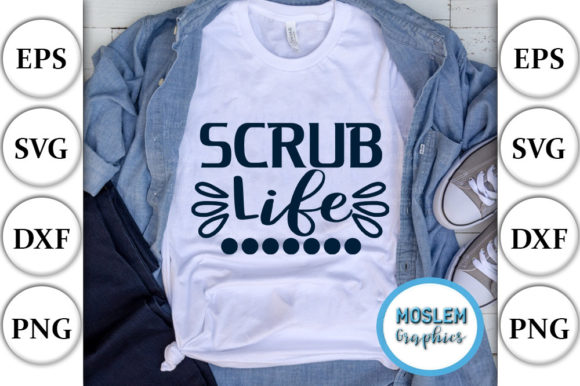
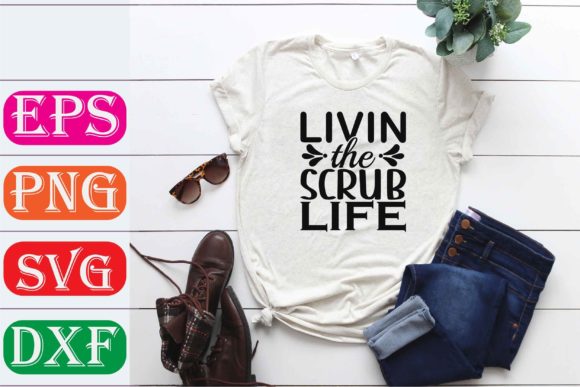
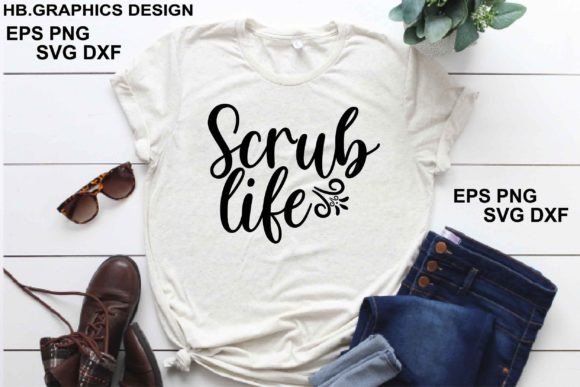
When a new embroidery design file lands in my library, my first question isn’t about the technical specs—it’s about the story. What kind of project does it want to become? Opening the “Nurse Svg Design. Scrub Life You Will R” files, the immediate impression is one of clear, friendly pride. The layout is straightforward, the lettering is bold without being aggressive, and the theme speaks directly to a profession deserving celebration. It feels like a design meant for a genuine gift, not just a generic graphic.
The Natural Habitat for This Design
In my mind, I immediately picture this on a soft, heather gray crewneck sweatshirt. It’s the kind of item a nursing student would wear after a long clinical day, or a seasoned nurse would appreciate as a thoughtful “thank you” from her family. The design’s personality is professional yet personal, making it a perfect candidate for custom apparel meant as a personalized gift. Beyond sweatshirts, I see it working beautifully on a sturdy canvas tote bag—a practical piece for carrying supplies, or on the chest of a relaxed-fit t-shirt for a more casual look.
The bold, declarative nature also lends itself wonderfully to non-apparel items. Imagine it embroidered on a cozy kitchen towel for a nurse’s home, or as a framed decorative patch for a home office. It has that “boutique product” feel, something you’d see in a small shop specializing in handmade gifts for professionals. The mood is affirming and recognizably niche, which is a great starting point for any embroidery project aimed at a specific audience.
Considering the Stitch: Where Clarity Matters
Thinking about translating this SVG into physical stitches, the clean lines and lack of overly intricate detail are a plus. For machine embroidery, the bold lettering should translate well into solid satin stitches or clean fill stitches, offering good readability. This is crucial for customer trust and the perceived value of the finished product—a blurry or messy text undermines the whole sentiment.
However, the “R” at the end of the phrase is a small detail worth noting. When testing this design on scrap fabric first, pay close attention to that final character. On very small hoop sizes or on textured fabrics like some fleeces, tiny lettering can lose definition. This isn’t a flaw of the design itself, but a universal reminder: scale and fabric choice are key partners to any embroidery file.
Real-Life Scenario: Crafting a Gift for a Graduating Nurse
Let’s walk through a real case. A client requests a custom embroidered tote bag as a gift for her daughter who’s just passed her nursing board exams. You choose a high-quality, neutral-colored bag. The “Scrub Life” design is perfect—it’s celebratory and profession-specific. Before hooping the actual bag, you run a test on similar weight scrap fabric. You check thread color contrast; a deep navy or classic red against the neutral bag will pop. You inspect the stitch density in your software preview to ensure it won’t be too dense for the bag’s material, which could cause puckering. You confirm your hoop size can accommodate the design with a comfortable margin.
This test run also lets you see how the design might look on both light and dark fabric backgrounds, expanding its potential use for future projects—like a dark colored cap or a light baby blanket for a nurse’s newborn. Using proper stabilizer for the tote bag is non-negotiable here to maintain that clean, professional look. The result? A handmade product that feels thoughtfully curated, not mass-produced. This directly boosts giftability and buyer engagement for any small business or Etsy seller offering similar custom work.
Spots for Extra Care and Commercial Considerations
While this design is versatile, some applications require a mindful approach. On stretchy fabrics like certain t-shirts, ensuring adequate stabilization is critical to prevent distortion. On curved surfaces like caps, the layout’s width should be checked against the cap’s curvature to ensure the text sits flat and readable. Also, for products destined for frequent washing—like baby clothes or kitchen linens—a robust stitch construction and quality thread will ensure longevity.
A crucial note for craft businesses and digital product sellers: this design comes in multiple file formats (SVG, PNG, DXF, EPS), which is excellent for flexibility across different software and machines. However, before selling finished items or using it in commercial embroidery projects, you must confirm the licensing terms associated with these files. Does the license permit physical product sales? Is it cleared for commercial use? Never assume. This verification is essential for brand consistency and professional operation.
Turning a Digital File into a Tangible Favorite
The ultimate success of an embroidery design like “Nurse Svg Design. Scrub Life You Will R” lies in its transition from digital asset to cherished object. Its visual appeal is rooted in its sincere theme and clear composition. For embroidery designers and apparel decorators, that means less time worrying about tricky details and more time focusing on execution and presentation.
My final practical advice? Beyond testing on scrap, consider creating simple black and white printable mockups with the PNG file to visualize the design on various products quickly. This helps in planning listings for a craft fair or your Etsy shop. Remember, the design’s strength is its direct connection to a proud profession. Placing it on high-quality, appropriate items—a well-made sweatshirt, a durable apron, a soft pillow cover—amplifies that connection, creating a finished product that feels both professional and personally meaningful. That’s the hallmark of a design worth stitching.